By Balveer Singh Rathore, Editor · Last updated: September 26, 2026 · How we write
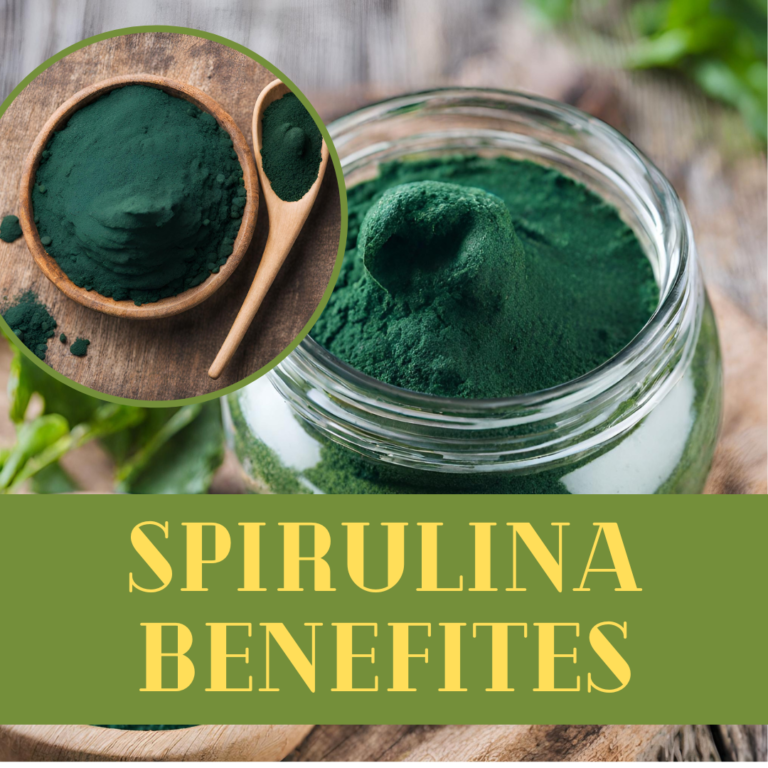
Spirulina is a blue-green alga sold as a powder or tablet. It’s rich in protein and contains vitamins, minerals and antioxidant pigments. Small studies suggest it may modestly improve blood lipids and blood sugar, but it hasn’t been proven to treat any disease. The main safety risk is contamination with toxins, so buy only third-party-tested products.
This article is general information, not medical advice. If you have a health condition, are pregnant or take medication, talk to your doctor before changing your diet, exercise or supplements. Read our disclaimer.
What is spirulina?
Spirulina (Arthrospira platensis) is a type of cyanobacteria that grows in warm, alkaline lakes. It has been eaten as food in parts of Mexico and Africa for centuries. Today it’s sold as green powder, tablets and capsules, often marketed as a “superfood” for immunity, energy and weight loss.
Spirulina nutrition
By dry weight, spirulina is about 60–70% protein and contains B vitamins, iron, beta-carotene and a blue antioxidant pigment called phycocyanin. However, a typical serving is only 1–3 grams, so the actual amount of protein and vitamins you get is small. Spirulina is also not a reliable source of active vitamin B12 for vegetarians.
Spirulina benefits: what the evidence says
| Claim | What research shows |
|---|---|
| Cholesterol and triglycerides | Some small trials and reviews suggest modest improvements; more high-quality research is needed |
| Blood sugar | Early studies in people with type 2 diabetes show possible small benefits |
| Blood pressure | Limited evidence of a small effect |
| Weight loss | Weak evidence; no substitute for diet and exercise |
| Immunity | Lab and early studies only; not proven in people |
| Skin and hair | No good human evidence |
The NIH’s LiverTox database sums it up: spirulina has been studied for many conditions but “has not been proven to be effective in treating any medical condition.”
Spirulina dosage
Studies have commonly used about 1–8 grams a day. If you try it, start with a low dose (around 1 gram) and follow the label. Mix the powder into smoothies, juice or curd. It has a strong, earthy taste.
Spirulina side effects and safety
- Contamination: spirulina can be contaminated with toxins (microcystins) from other algae, or with heavy metals, if it’s grown in poor conditions. This is the biggest risk.
- Digestive upset: nausea, bloating or diarrhoea in some people.
- Allergic reactions: rare but possible.
Who should avoid spirulina
- Pregnant or breastfeeding women (not enough safety data)
- Children, unless a doctor recommends it
- People with autoimmune conditions such as lupus, rheumatoid arthritis or multiple sclerosis
- People with phenylketonuria (PKU)
- People taking immunosuppressant or blood-thinning medicines — ask your doctor first
How to choose a safe spirulina product
- Look for third-party testing for microcystins and heavy metals
- Check for FSSAI licence (India) or reputable certifications
- Avoid products that promise to cure diseases or “detox” your body
- Buy from trusted sellers and check the expiry date
For most people, a varied diet with pulses, vegetables and fruit delivers more nutrition than a spoonful of spirulina. See our guide to foods that support immunity.
Frequently asked questions
What are the benefits of spirulina?
Spirulina is rich in protein and contains vitamins, minerals and antioxidant pigments. Small studies suggest it may modestly improve cholesterol, triglycerides and blood sugar. However, the NIH notes it hasn’t been proven effective for treating any medical condition, and typical servings are small, so its nutritional contribution is limited.
Is it safe to take spirulina every day?
Spirulina appears safe for most healthy adults in usual doses when the product is free of contaminants. The main risk is contamination with algal toxins or heavy metals, so choose third-party-tested brands. Pregnant women, children, people with autoimmune diseases and those with PKU should avoid it unless a doctor advises otherwise.
What are the side effects of spirulina?
Possible side effects include nausea, bloating, diarrhoea and, rarely, allergic reactions. Contaminated products can cause liver damage and other serious harm. Stop taking it and see a doctor if you notice yellowing skin, dark urine, severe stomach pain or a rash.
Does spirulina help with weight loss?
The evidence is weak. A few small studies suggest slight effects on weight or appetite, but spirulina isn’t a proven weight-loss aid. A calorie deficit from healthy eating and regular exercise is far more effective. Don’t rely on supplements that promise fast fat loss.
How much spirulina should I take per day?
Studies have commonly used about 1–8 grams a day. If you decide to try it, start with a small dose of around 1 gram and follow the product label. Talk to your doctor first if you have a health condition or take regular medicines.
Is spirulina a good source of vitamin B12?
No. Spirulina mostly contains a form of B12 that the human body can’t use well. Vegetarians and vegans should get B12 from dairy, fortified foods or a supplement recommended by their doctor rather than relying on spirulina.