By Balveer Singh Rathore, Editor · Last updated: September 26, 2026 · How we write
No single food can “boost” your immune system overnight. What your immune system needs is a steady supply of nutrients, including protein, vitamins A, C, D and E, zinc, iron and selenium, from a varied diet with plenty of fruit, vegetables, pulses, nuts and whole grains. Good sleep, regular exercise, not smoking and vaccinations matter just as much as food.
This article is general information, not medical advice. If you have a health condition, are pregnant or take medication, talk to your doctor before changing your diet, exercise or supplements. Read our disclaimer.
Can food boost your immune system?
Your immune system works best when you’re well nourished. Deficiencies in nutrients like zinc, vitamin D, vitamin A, iron and protein can weaken it. But once you’re getting enough, eating more of a “superfood” doesn’t make your immunity stronger. That’s why claims of foods that “boost immunity fast” should be treated with caution.
Research on vitamin C shows how modest the effects are. A Cochrane review found regular vitamin C supplements didn’t reduce how often people in the general population caught colds, though colds were slightly shorter (about 8% in adults and 14% in children).
Nutrients your immune system needs
| Nutrient | Why it matters | Everyday food sources |
|---|---|---|
| Protein | Builds antibodies and immune cells | Dal, rajma, chana, paneer, curd, eggs, fish, chicken, tofu |
| Vitamin C | Supports immune cell function | Amla, guava, orange, lemon, capsicum, tomato |
| Vitamin A | Protects skin and mucous membranes | Carrot, sweet potato, pumpkin, spinach, mango, eggs |
| Vitamin D | Regulates immune responses | Safe sunlight, eggs, fatty fish, fortified milk |
| Vitamin E | Antioxidant that protects cells | Almonds, sunflower seeds, peanuts, vegetable oils |
| Zinc | Needed for immune cell development | Pumpkin seeds, chickpeas, cashews, whole grains, meat |
| Iron | Low iron can weaken immunity | Green leafy vegetables, pulses, jaggery (small amounts), meat |
| Selenium | Supports antioxidant defences | Eggs, fish, sunflower seeds, whole grains |
| Probiotics | Support a healthy gut | Curd, chaas, idli-dosa batter, other fermented foods |
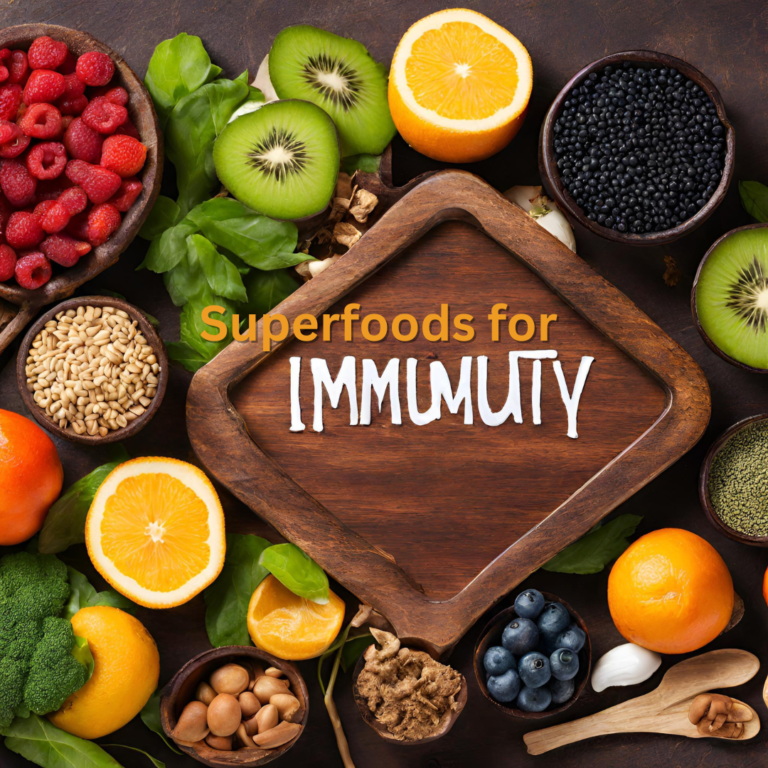
15 foods that support a healthy immune system
- Amla (Indian gooseberry)
- Citrus fruits and guava
- Capsicum and tomatoes
- Spinach and other leafy greens
- Carrots, pumpkin and sweet potatoes
- Curd and chaas
- Dal, rajma and chana
- Eggs
- Fish
- Almonds and sunflower seeds
- Pumpkin seeds
- Garlic, ginger and turmeric (as part of cooking)
- Whole grains and millets
- Green tea (unsweetened)
- Papaya and kiwi
Spices like turmeric, ginger and garlic are healthy parts of Indian cooking, but there’s no good evidence that kadha or large amounts of spices prevent infections. Enjoy them in food rather than relying on them as medicine.
Immunity myths to ignore
- “Boost immunity in 24 hours”: immune health builds over weeks and months of good habits.
- Mega-dose supplements: high doses of vitamins can cause side effects and don’t help if you’re not deficient.
- One superfood or kadha: no single food or drink protects you from infections.
- Immunity products and powders: many are expensive and poorly tested. Read our honest look at spirulina.
Lifestyle habits that matter as much as food
- Sleep at least 7 hours a night
- Stay active: aim for 150 minutes of moderate exercise a week
- Don’t smoke and limit alcohol
- Keep up to date with vaccinations
- Wash your hands and practise food hygiene
- Manage stress and stay connected with others
For children, the same rules apply: varied home food, fruit and vegetables every day, enough sleep, outdoor play and vaccinations. Avoid giving supplements to children unless a doctor recommends them. For daily habits, see our health and fitness tips and healthy eating habits.
Frequently asked questions
Which foods boost the immune system fast?
No food boosts your immune system quickly. Your immune system relies on a steady supply of nutrients over time. Eating plenty of fruit, vegetables, pulses, curd, nuts, eggs or fish every day, along with good sleep and exercise, supports normal immune function much better than any quick fix.
What should I eat when I’m sick to support immunity?
Focus on easy-to-digest foods and fluids: water, soups, dal, khichdi, curd, fruits and vegetables. Stay hydrated, rest and eat enough protein. See a doctor if you have a high fever, difficulty breathing or symptoms that don’t improve. Food supports recovery but doesn’t replace medical treatment.
Does vitamin C prevent colds?
Not for most people. A Cochrane review found regular vitamin C supplements didn’t reduce how often people in the general population caught colds, but colds were slightly shorter, by about 8% in adults and 14% in children. People under heavy physical stress, like marathon runners, saw a bigger benefit.
Are immunity supplements necessary?
Most people who eat a varied diet don’t need immunity supplements. They may help if you have a proven deficiency, such as low vitamin D or iron, which your doctor can test for. High-dose supplements can cause side effects and interact with medicines, so ask a doctor before taking them.
Which foods improve immunity in children?
Children need a varied diet with fruits, vegetables, dal, milk or curd, eggs or other protein, and whole grains. Enough sleep, outdoor play and vaccinations are just as important. Avoid giving supplements unless a doctor recommends them, and limit sugary drinks and junk food.
Does kadha increase immunity?
Kadha, made from spices like tulsi, ginger, black pepper and cinnamon, is a warm, comforting drink, but there’s no good evidence that it prevents infections or strengthens immunity. Very strong kadha taken often can upset the stomach. Enjoy it occasionally, but don’t rely on it instead of vaccines or medical care.