By Balveer Singh Rathore, Editor · Last updated: September 26, 2026 · How we write
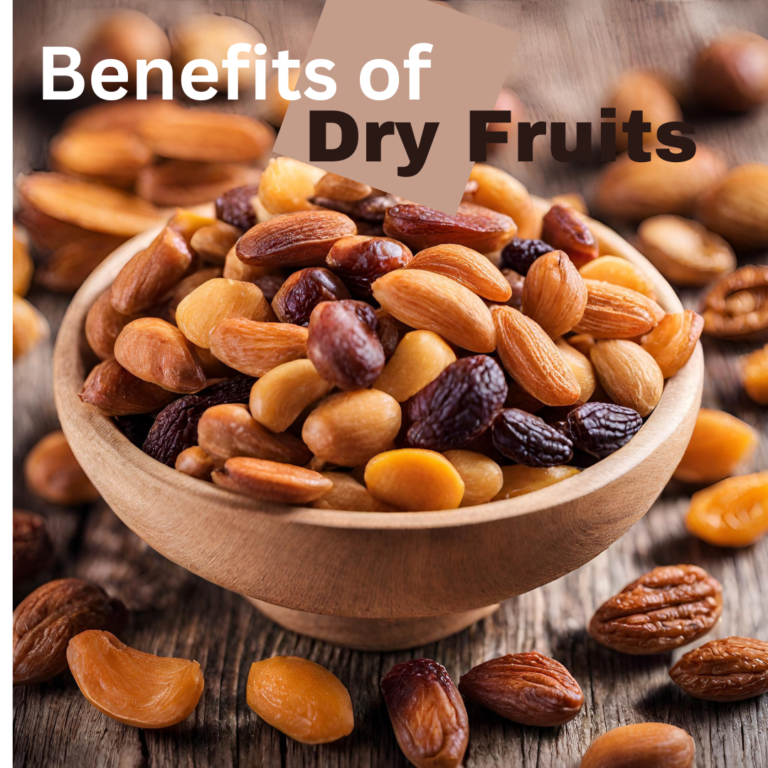
Dry fruits and nuts are nutrient-dense snacks. Nuts like almonds, walnuts and pistachios provide healthy fats, protein, fibre, vitamin E and magnesium and are linked to better heart health. Dried fruits like dates, raisins and figs give fibre, potassium and iron but also concentrated sugar. A small handful (about 30 g) a day is a healthy amount for most people.
This article is general information, not medical advice. If you have a health condition, are pregnant or take medication, talk to your doctor before changing your diet, exercise or supplements. Read our disclaimer.
In India, “dry fruits” usually means both nuts (almonds, cashews, walnuts, pistachios) and dried fruits (dates, raisins, figs, apricots). They’re quite different nutritionally, so this guide covers both.
Health benefits of dry fruits and nuts
- Heart health: the U.S. FDA allows a qualified health claim that eating about 1.5 ounces (around 40 g) of most nuts a day, as part of a diet low in saturated fat, may reduce the risk of heart disease, though the evidence is not conclusive.
- Healthy fats: nuts are rich in unsaturated fats; walnuts also contain the plant omega-3 ALA.
- Fibre and fullness: nuts and dried fruits add fibre, which helps digestion and keeps you full.
- Minerals: nuts supply magnesium and zinc; dates, raisins and figs provide potassium and some iron.
- Convenient energy: a small handful makes an easy, filling snack instead of biscuits or namkeen.
Best dry fruits to eat daily
| Dry fruit | Key nutrients | Good to know |
|---|---|---|
| Almonds (badam) | Vitamin E, magnesium, protein, fibre | About 8–10 almonds is a good daily portion |
| Walnuts (akhrot) | Plant omega-3 (ALA), polyphenols | 3–4 halves a day |
| Pistachios (pista) | Protein, fibre, potassium | Choose unsalted |
| Cashews (kaju) | Magnesium, zinc, copper | Tasty but easy to overeat; keep portions small |
| Dates (khajur) | Fibre, potassium, natural sugar | 1–2 dates; high in sugar |
| Raisins (kishmish) | Iron, potassium, quick energy | A small spoonful; very sweet |
| Figs (anjeer) | Fibre, calcium, potassium | 1–2 dried figs |
| Dried apricots | Fibre, vitamin A, potassium | Some contain sulphites; check the label if sensitive |
How many dry fruits should you eat per day?
For most adults, about 30 g of nuts a day (a small handful) is a sensible amount, plus a small portion of dried fruit if you like. Nuts are calorie-dense: 30 g of almonds has roughly 170 calories. Research on nuts generally hasn’t linked moderate daily intake to weight gain, but large bowls of cashews or sweetened, fried or salted nuts can add up quickly.
Dry fruits for weight loss and weight gain
For weight loss, a measured handful of unsalted nuts can replace less healthy snacks and help you stay full. Keep dried fruit small because of its sugar. For weight gain, adding dry fruits to milk, porridge, smoothies or laddoos is an easy way to add healthy calories. See our Indian diet plan for weight loss for portion ideas.
Soaked almonds and dry fruits with milk
Soaking almonds overnight makes them softer and easier to chew and digest for some people. There’s little strong evidence that soaking greatly increases nutrients, so eat them the way you prefer. Dry fruits with milk make a filling breakfast or snack, but count the calories if you’re trying to lose weight.
Who should be careful
- Nut allergy: avoid the nuts you’re allergic to; allergies can be serious.
- Diabetes: nuts are fine in moderation; keep dates, raisins and other dried fruits small and eat them with a meal.
- Kidney disease: dried fruits are high in potassium; ask your doctor.
- Young children: whole nuts are a choking risk; give ground nuts or nut powders instead.
- Pregnancy: dry fruits can be part of a healthy pregnancy diet in normal amounts, unless you’re allergic.
Frequently asked questions
What are the benefits of eating dry fruits daily?
A small daily portion of nuts provides healthy fats, protein, fibre, vitamin E and magnesium, and regular nut intake is linked to better heart health. Dried fruits add fibre, potassium and some iron. Keep portions to about a handful, because both are calorie-dense and dried fruits are high in sugar.
Which dry fruit is best for health?
There’s no single best one. Almonds are rich in vitamin E and magnesium, walnuts provide plant omega-3 fats, and pistachios offer protein and fibre. Among dried fruits, figs and dates provide fibre and potassium. A small mix of unsalted nuts with a little dried fruit gives the widest range of nutrients.
How many almonds should I eat per day?
About 8–10 almonds (roughly 15 g), or up to a small handful of mixed nuts (about 30 g), is a sensible daily amount for most adults. Thirty grams of almonds contains roughly 170 calories, so larger portions can add up if you’re watching your weight.
Are dry fruits good for weight loss?
Unsalted nuts in measured portions can help with weight loss because their protein, fat and fibre keep you full, and research hasn’t linked moderate nut intake to weight gain. Dried fruits are high in sugar, so keep them small. Avoid fried, salted or sugar-coated nuts.
Can diabetics eat dry fruits?
Yes, in moderation. Nuts like almonds, walnuts and pistachios have little effect on blood sugar and can be part of a diabetes diet. Dried fruits like dates and raisins are high in natural sugar, so keep portions very small and eat them with a meal. Ask your doctor or dietitian about amounts.
Is it good to eat soaked almonds?
Soaked almonds are softer and may be easier to chew and digest, but there’s little strong evidence that soaking makes them much more nutritious. Both soaked and dry almonds are healthy. Choose the way you enjoy most, and keep to a small daily portion.