By Balveer Singh Rathore, Editor · Last updated: September 26, 2026 · How we write
Affiliate note: this page contains Amazon links. If you buy through them, we may earn a small commission at no extra cost to you. Prices and availability change often, so check the latest details on Amazon before you buy. Read our affiliate disclosure.
A leg massager machine can make tired legs feel better and may reduce muscle soreness for a short time, but it isn’t a medical treatment. A 2024 review found small benefits for soreness and little effect on performance. Don’t use one if you might have a blood clot (DVT), poor leg circulation, open wounds or are pregnant without a doctor’s advice.
This article is general information, not medical advice. If you have a health condition, are pregnant or take medication, talk to your doctor before changing your diet, exercise or supplements. Read our disclaimer.
What is a leg massager machine?
Home leg massagers come in two main types:
- Air-compression wraps or boots: sleeves with airbags that inflate and deflate around the calves, feet and sometimes thighs.
- Foot and calf machines: a unit you put your feet and calves into, with rollers, kneading nodes, airbags, vibration and often heat.
Hospitals use a related device called intermittent pneumatic compression (IPC) to help prevent blood clots in patients who can’t move. Home massagers are comfort devices, not medical IPC systems, and shouldn’t be used to treat or prevent any condition unless a doctor has prescribed a specific device.
Do leg massagers really work?
For comfort and relaxation, many people find them helpful. The research on compression devices for recovery is modest:
- A 2024 systematic review and meta-analysis in Biology of Sport (17 studies, 319 participants) found lower-limb pneumatic compression gave a small reduction in perceived muscle soreness, but a trivial effect on muscle performance and recovery of function.
- Most studies were in athletes using professional recovery boots, not budget home machines, so results may not apply to every product.
- There is little good evidence that foot reflexology or massage machines treat conditions like diabetes, high blood pressure or varicose veins.
Bottom line: a leg massager is a comfort purchase. It can feel great after a long day of standing or a workout, but it doesn’t replace walking, stretching, compression stockings prescribed by a doctor or medical care.
Who should NOT use a leg massager
Avoid it or ask your doctor first if you:
- Have, or might have, a deep vein thrombosis (DVT): massage can dislodge a clot and cause a life-threatening pulmonary embolism. Sudden swelling, pain, warmth or redness in one leg needs urgent medical attention, not massage.
- Are pregnant: pregnancy raises clot risk, and a published case report describes a pulmonary embolism after leg massage in a pregnant woman with an undiagnosed DVT.
- Have peripheral artery disease, severe varicose veins or heart failure.
- Have diabetes with nerve damage (reduced feeling in the feet), since you may not notice heat or pressure injuries.
- Have open wounds, skin infections, recent fractures or surgery on the legs.
- Have a pacemaker or other implanted device (check the massager’s manual).
5 popular leg massager machines in India
These are popular brands sold on Amazon India. We haven’t tested them in a lab, and models change often, so compare the current features, heat settings, size limits and warranty on each listing.
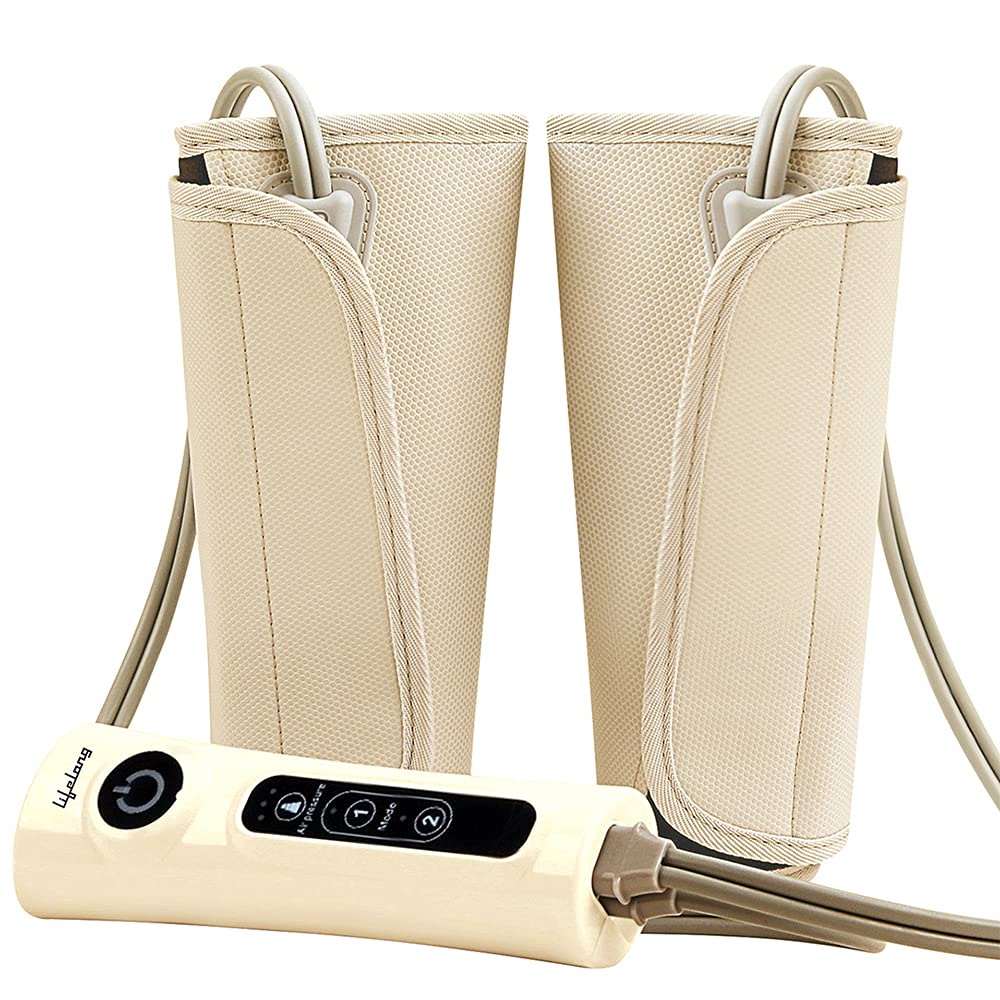
1. Lifelong leg, foot and calf massager
Foot, calf and leg massager from a large Indian home-appliance brand. Lifelong sells several models, including air-pressure and roller types, so check whether the one you pick has heat and adjustable intensity.
Check Lifelong price on Amazon
2. JSB HF04
Corded foot, calf and leg massager with rollers, kneading, vibration and heat, according to the brand’s listing. It targets calves and soles together.
Check JSB HF04 price on Amazon
3. RoboTouch foot and leg massager
Foot and calf massager with airbags, sole rollers and heat. Useful if you mainly want a foot massage with some calf pressure.
Check RoboTouch price on Amazon
4. AGARO leg massager
AGARO sells both air-compression wraps and foot-and-calf machines. Wraps cover more of the leg, while foot machines focus on soles and calves.
5. Dr Physio (USA) leg massager
Dr Physio offers air-compression leg massagers with heat (such as model 1030) and roller-based foot and calf machines. Pick the type that matches where you feel tired.
Check Dr Physio (USA) price on Amazon
How to choose a leg massager machine
| What to check | Why it matters |
|---|---|
| Type (wrap vs foot-and-calf unit) | Wraps cover more of the leg; foot units focus on soles and calves |
| Adjustable intensity | Start low; too much pressure can bruise or hurt |
| Heat with auto shut-off | Heat feels soothing, but auto shut-off prevents burns |
| Calf size fit | Check the maximum calf circumference and foot size |
| Timer | Most sessions of 15–20 minutes are enough |
| Warranty and service | Motors and air pumps can fail; local service helps |
| Washable cover | Better hygiene if more than one person uses it |
How to use a leg massager safely
- Start on the lowest pressure and heat setting for 10–15 minutes.
- Keep sessions to about 15–20 minutes, once or twice a day.
- Stop if you feel pain, numbness, tingling or skin redness that doesn’t fade.
- Don’t fall asleep with heat on.
- Keep moving through the day: short walks and calf raises help circulation more than any machine.
For better leg health, see our guides to simple home exercises and choosing a treadmill for home walking.
Frequently asked questions
Do leg massager machines really work?
They can make legs feel less tired and may reduce muscle soreness a little. A 2024 review of 17 studies found a small effect on perceived soreness but little effect on performance. They’re comfort devices, not medical treatments, so don’t expect them to cure pain or circulation problems.
Is a leg massager good for blood circulation?
Compression and massage can temporarily increase blood flow in the legs, but home massagers aren’t proven to treat circulation disorders. Regular walking, calf exercises and, if your doctor advises, compression stockings are better options. If you have poor circulation, ask your doctor before using one.
Who should not use a leg massager?
Avoid leg massagers if you have or might have a blood clot (DVT), peripheral artery disease, open wounds, recent leg surgery or fractures, or diabetic nerve damage. Pregnant women and people with heart failure or implanted devices should ask their doctor first.
How long should I use a leg massager?
Most brands suggest sessions of about 15–20 minutes. Start on low intensity and heat, and stop if you feel pain, numbness or tingling. Using it once or twice a day is usually enough; longer sessions don’t add much benefit.
Can I use a leg massager during pregnancy?
Ask your doctor first. Pregnancy raises the risk of blood clots, and massaging a leg with an undiagnosed clot can be dangerous. If you have leg swelling, pain or redness, especially in one leg, get medical advice before any massage.
Air compression or roller massager: which is better?
Air compression wraps squeeze the whole calf and sometimes the thigh, which many people find relaxing after standing. Roller and kneading machines focus on the soles and calves. Choose based on where you feel tired, and look for adjustable intensity and heat with auto shut-off.
Sources
- Maia F et al. Effects of lower-limb intermittent pneumatic compression on sports recovery: a systematic review and meta-analysis. Biology of Sport, 2024
- Leg massage during pregnancy with unrecognized deep vein thrombosis could be life threatening: a case report. BMC Pregnancy and Childbirth, 2020
- Cleveland Clinic: Intermittent pneumatic compression (IPC) devices